Building Scalable, Consistent Designs: My Take on Design Systems
When I started a new role as a design lead in 2020, I wasn’t walking into a clean slate or a fresh project. Instead, I inherited a mess – a collection of projects passed down from designers who had come and gone before me. It wasn’t just about taking over their work; it was about figuring out where everything was, what had been done before, and what needed fixing.
One of the first things I noticed was the lack of documentation. There were multiple Figma files scattered across different folders, each with different naming conventions (or none at all). Some projects had multiple versions with no clear flows or sections. Designing itself wasn’t the biggest challenge. The real struggle was finding the right files and understanding the product’s past decisions before I could even begin designing anything new.
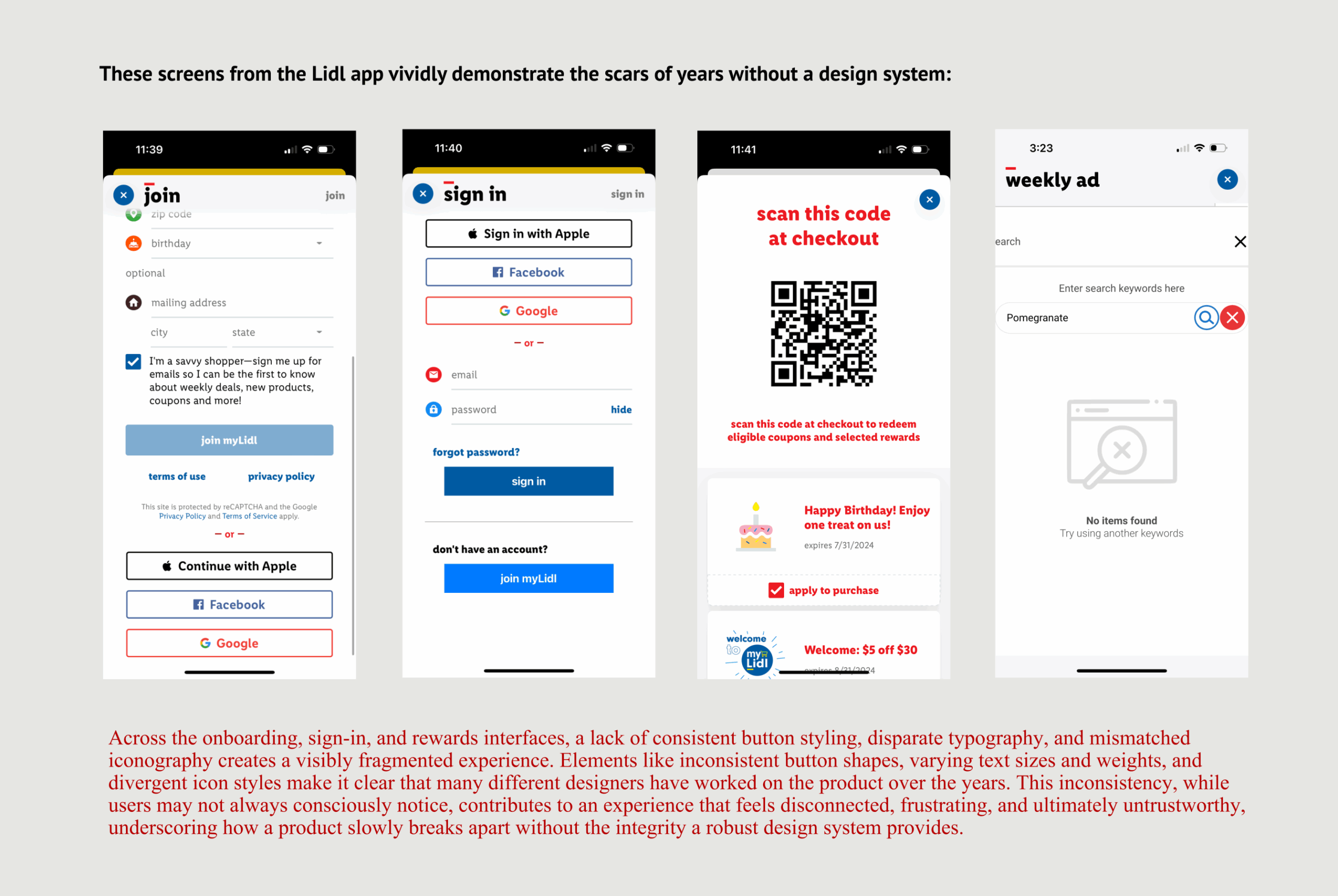
It’s a fact that many designers move on without embedding a system into their designs, leaving new designers lost. And when new designers also fail to implement a system, the cycle continues. Over time, this results in a fragmented product, where every designer who has ever worked on it leaves their own mark without any continuity.
That’s when it hit me: design systems aren’t just about efficiency; they’re about protecting the integrity of a product over time. Without one, a product slowly breaks apart, and every new designer struggles with the same problems over and over again.
For many companies, this is just the reality. When a product system has been broken for years, fixing it is often more costly and time-consuming than simply dealing with the inefficiencies. As a result, many companies choose to leave things as they are rather than take on the enormous challenge of building a proper design system.
On the flip side, when a company starts with a design system mentality from the beginning, they carry it through everything they do. Take Apple or Microsoft as examples. Apple’s design language is consistent across its entire ecosystem – whether you’re looking at their website, app stores, product packaging, or even their keynote presentations, the visual and experiential language remains unmistakably Apple. The same goes for Microsoft, whose Fluent Design System ensures consistency across their suite of products. That’s the power of a well-implemented design system – it creates trust, recognition, and seamless experiences across platforms.
A Design System Isn’t just a Figma File - It’s the Backbone of a Scalable Product
A lot of designers hear “design system” and think of a Figma file filled with buttons, inputs, and color swatches. But a real design system isn’t just a component library – it’s a way of thinking.
To me, design system thinking is about:
- Consistency at Scale: The ability to maintain quality and brand identity across hundreds (or thousands) of screens.
- Efficiency for Teams: Speeding up workflows for designers and developers so they can focus on solving real problems instead of fixing inconsistencies.
- A Shared Language: Ensuring that everyone from designers to engineers to product managers works from the same set of rules.
- Evolution, Not Perfection: A design system is never “done.” It needs to grow with the product and adapt to real-world use cases.
The best design systems aren’t built in isolation. They are deeply integrated into a company’s culture, workflows, and technical infrastructure. I’ve worked on teams where the design system was a living, breathing part of the product – and others where it was treated as a side project that quickly became outdated. The difference? Buy-in, documentation, and real collaboration.
How I Work with Design Systems
The first step for me in working with a design system is understanding where the company currently stands. No two companies are alike – each is at a different stage in its product lifecycle, and their design system needs vary accordingly. Design systems are not one-size-fits-all solutions; they require a tailored approach based on the company’s maturity, goals, and existing design infrastructure.
Auditing the Current State
Before implementing or refining a design system, I conduct a design audit to analyze what already exists. This includes:
- Reviewing existing UI patterns and inconsistencies.
- Evaluating the current level of design documentation.
- Identifying gaps in scalability, accessibility, and efficiency.
- Understanding how design and development teams currently collaborate.
Some companies already have fragmented design systems that need refinement, while others lack any structured system at all. My goal is to meet the company where it is and determine the best way forward.
Tailoring Design Systems to Company Size & Stage
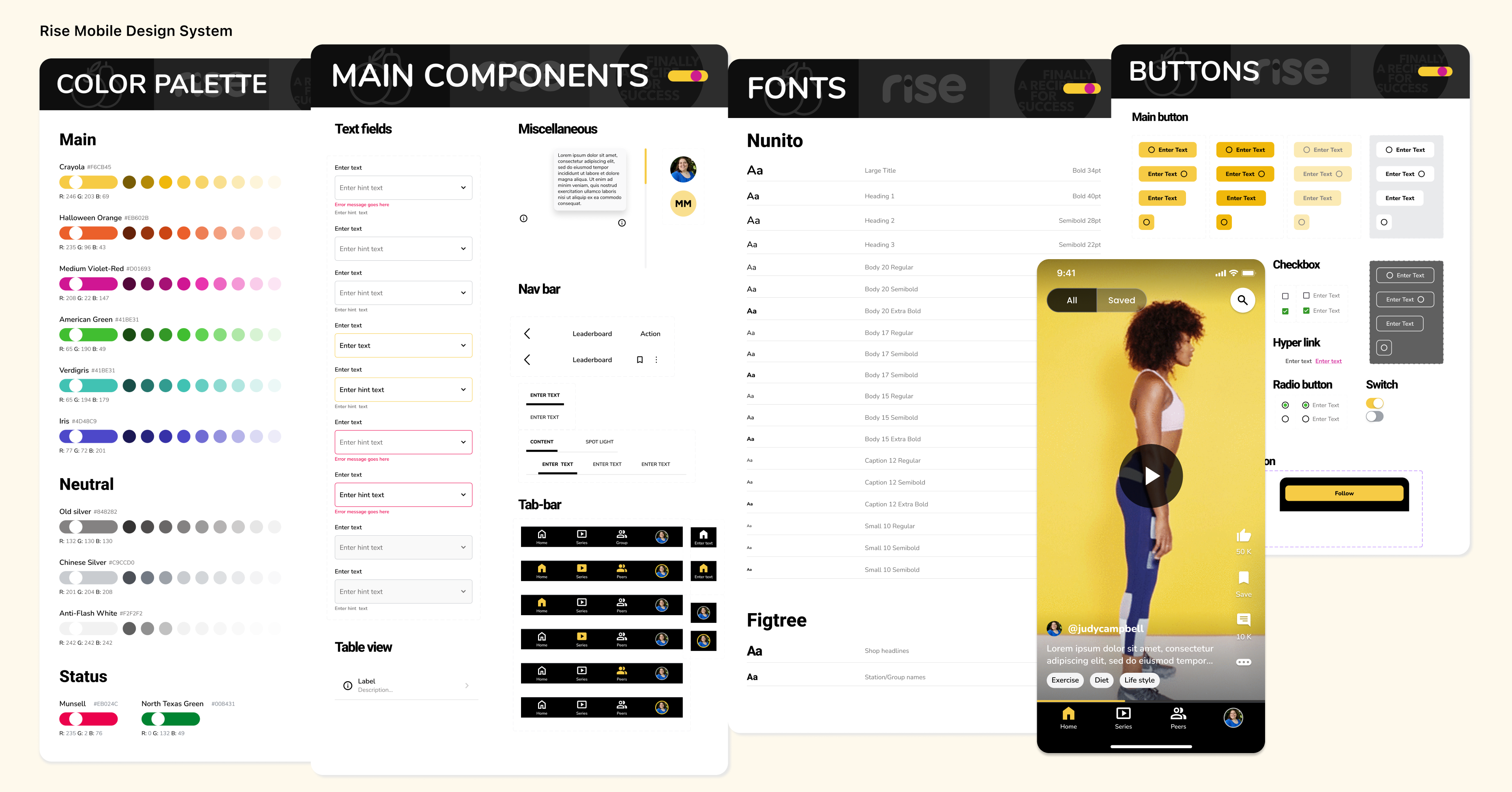
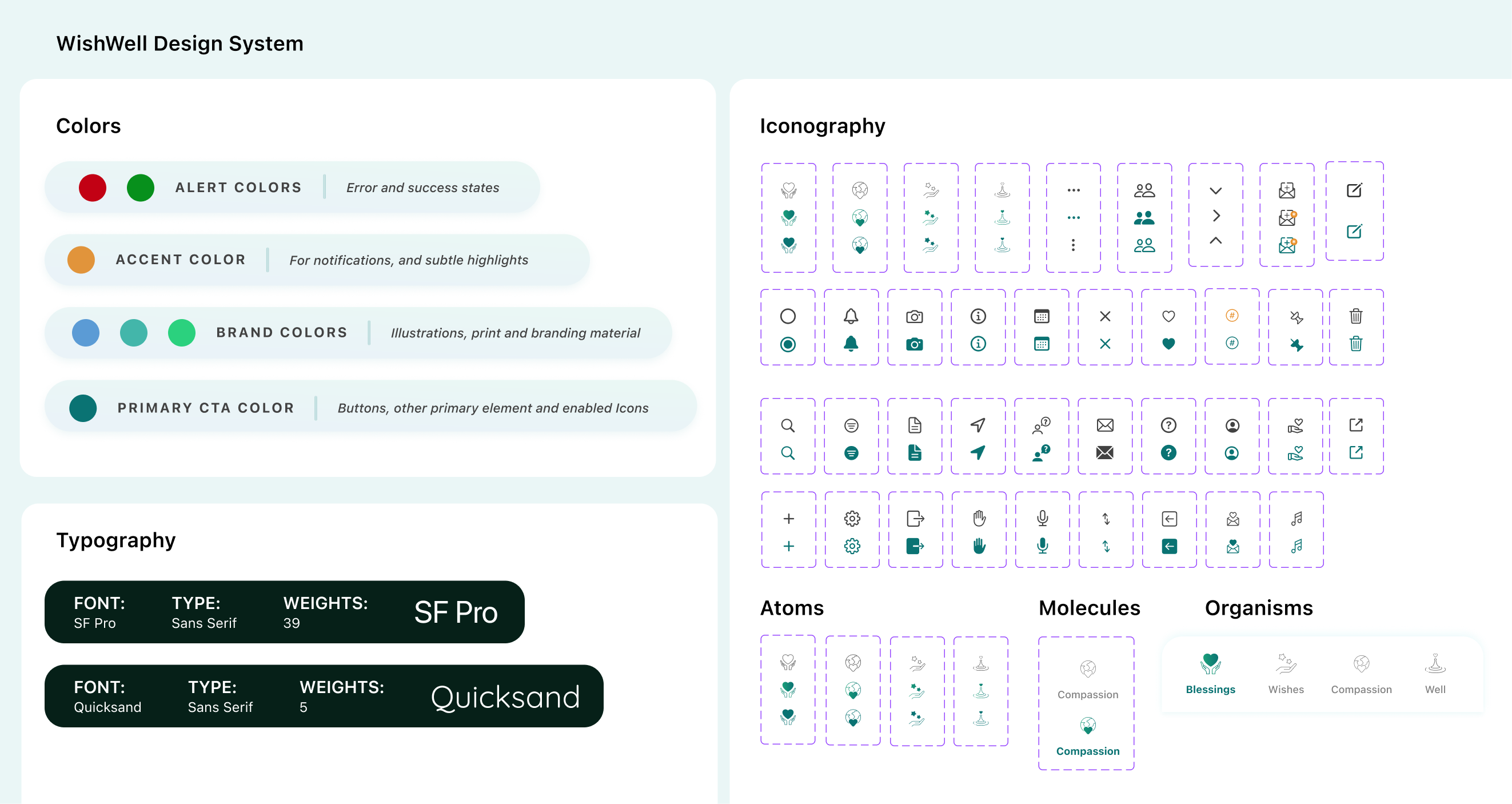
Startups often begin with style guides, brand guidelines, and a basic component library. In early-stage companies, speed is critical, so the focus is on establishing a strong foundation rather than building an overly rigid system. As the product scales, the design system evolves, incorporating new patterns, documentation, and governance processes.
On the other hand, larger companies often require design audits and interventions to analyze existing inconsistencies and consolidate multiple design approaches. Many big companies accumulate years of design debt due to rapid growth, team turnover, or acquisitions. These companies don’t need to “start fresh”; instead, they need a strategic approach to unify and scale their design system without disrupting their existing workflows.
Evolving Design Systems for New Products
Some companies already have well-established design systems, but when they launch new products with multiple teams, their existing system may not fully support the new needs. This is where evaluating what is present and what needs to be added becomes critical.
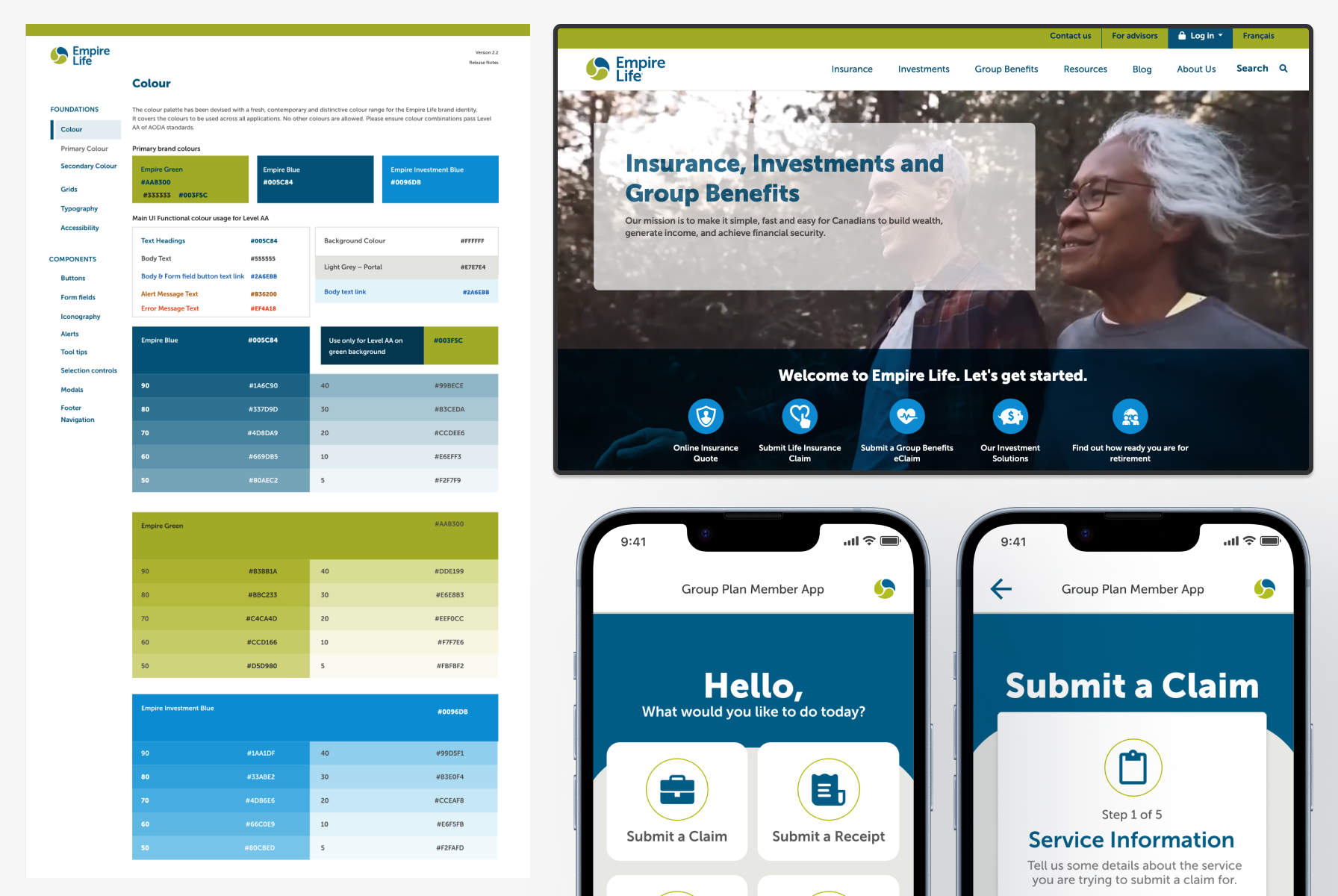
For example, when I worked with Empire Life, their design system was originally built for web because they operated as a web app for the longest time. But when they approached us for a mobile app design, we had to work within the constraints of their existing system while also expanding it to support mobile components. Similarly, while working with CSA, their design system lacked many key components, so as we designed new products for them, we continuously identified gaps and expanded their system further.
Legacy Systems & Companies Moving Towards Digital
Another challenge arises when companies have legacy systems and outdated design files – from a time before design systems were even a consideration. Many industries, especially brick-and-mortar-first businesses, are now facing the challenge of moving towards digital with years of design debt to address.
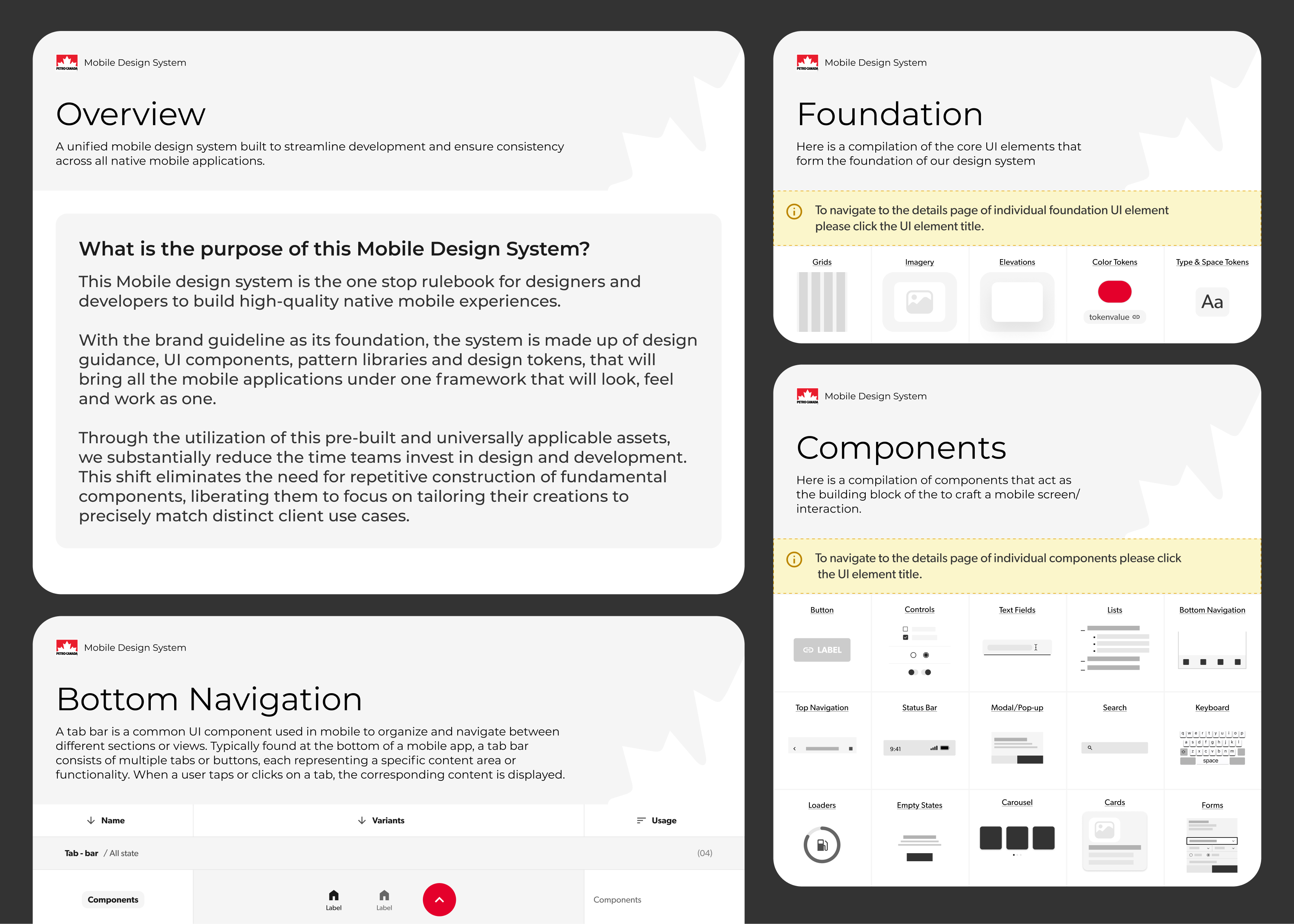
For instance, companies like Petro Canada (with its physical gas stations), Sobeys, Lidl, and Fareway (large grocery chains) all primarily operated in the physical world for years. Their apps and digital products were an afterthought in the past few years as the world at large moves to digital. Now, as they embrace digital transformation, they face a massive task of revamping their entire product experience for web and mobile while simultaneously creating a scalable design system. The challenge here isn’t just designing for the present – it’s future-proofing the system to ensure consistency as they expand further into digital.
The key takeaway? A design system isn’t just a set of components – it’s a framework tailored to the company’s unique needs and growth stage. Whether a company is a startup, a growing enterprise, or transitioning from legacy systems, the design system must evolve alongside it.
Let’s make design systems that don’t just exist - they thrive.
Design systems are more than just Figma libraries or UI kits – they are foundational to scaling great products. Through my experiences, I’ve seen how a well-built system can transform workflows, bridge gaps between teams, and create more cohesive digital experiences.
I’m always excited to bring this mindset to teams that care about scaling design effectively. If your company is looking for someone who not only builds design systems but ensures they actually work, I’d love to chat.
